A child's first West End show is one of those special outings they remember for years, and getting it right is mostly about a few decisions you make before you book. Which show suits their age? How long can they really sit still? Where should they sit to actually see it? After years of helping families book their first trip, we have turned the whole thing into a simple, practical checklist, so the day itself is pure magic rather than a test of everyone's patience.
Start with the right show for their age
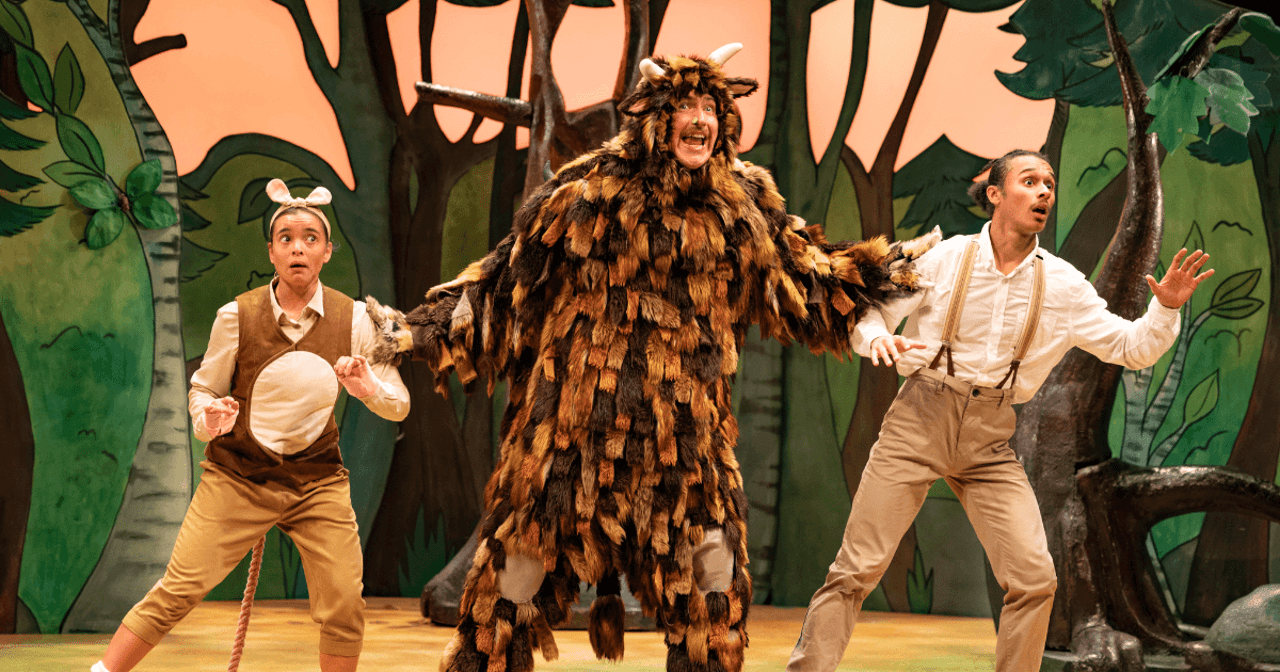
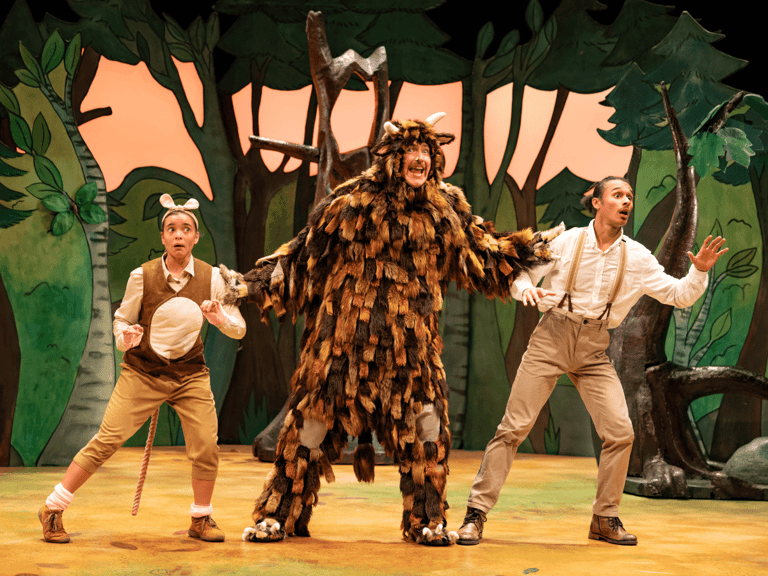
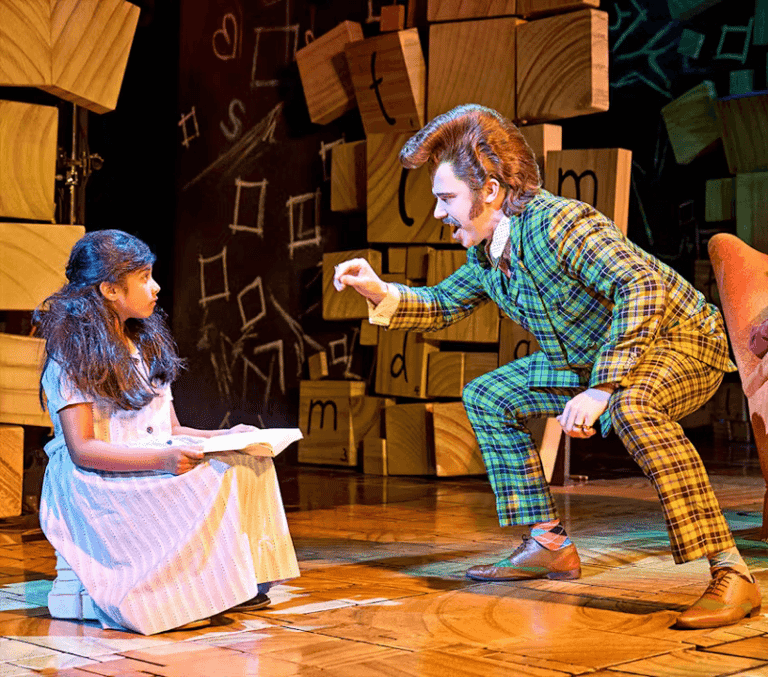
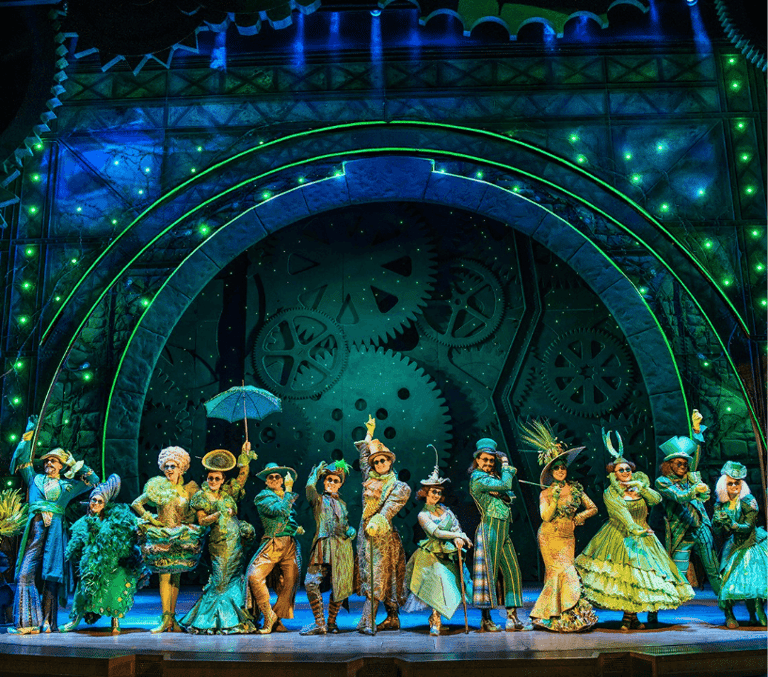
The most common mistake is picking the show you want to see rather than the one built for their age. For under-5s, keep it short and gentle: a 60-minute show with no interval, such as The Gruffalo, is a far better first experience than a two-and-a-half-hour epic, however tempting. From around six, most children are ready for a full musical with an interval, and titles like The Lion King, Matilda or Disney's Hercules are designed to hold them. By nine to twelve they can take the big blockbusters such as Wicked, and teenagers will happily sit through anything with a soundtrack they know. We have sorted the current shows into exactly these bands in our guide to the best London shows for kids by age, which is the quickest way to match a show to your child.

Check the age rules before you book
West End age guidance is not just a suggestion, and it catches families out every summer. Most theatres do not admit babies or very young toddlers into the auditorium at all: as a rule of thumb, expect a hard cut-off somewhere between under-3 and under-5 depending on the show, on top of a recommended age. Two more rules apply almost everywhere. Every child needs their own ticket and their own seat, so you cannot sit a small one on your lap to save a fare. And children are required to be accompanied by an adult, usually seated right next to them, with the exact age varying by venue. It takes thirty seconds to read the age line on the show page, and it saves a very expensive misunderstanding at the door.
Time it right: matinees, running times and the interval
For a first visit, and for any younger child, a matinee almost always beats an evening: energy levels are higher, and you are not fighting bedtime through the second act. Check the running time before you commit, too. Shows for the very young run around 50 to 60 minutes straight through, while a full-length musical is typically two and a half hours or so including one interval. That interval is your friend: it is a built-in reset for wriggly legs, a loo trip and an ice cream, so build twenty minutes of calm into your plan rather than treating it as dead time.
Where to sit so they can actually see
A small child in a big seat behind a tall adult sees very little, so seating is worth a moment's thought. First, ask about booster cushions: several family-friendly houses, including the Cambridge, Apollo Victoria, Theatre Royal Drury Lane and London Palladium, offer them free on request, and they transform the view. Second, aim for the centre of the Stalls or the front of the first circle, where the rake is best, and avoid the rear rows tucked under a low overhang. In a house with a shallow Stalls rake, the front of the circle can actually give a shorter child a clearer view than the back of the Stalls. Our guide to the best London theatres for families has the specific seating and facilities detail venue by venue.
Relaxed and sensory-friendly performances
If your child is neurodivergent, or simply finds a dark, loud, crowded room overwhelming, look for a relaxed or sensory-friendly performance. These are specially adapted shows with lower sound levels, house lights kept partly up, a more forgiving attitude to noise and movement, and often a chill-out space to step into. Many family shows schedule them through the year, including The Gruffalo, and they can turn an impossible outing into a wonderful one. Check the show's page or ask the venue which dates are relaxed performances.
What to expect in the room
A little preparation goes a long way for a sensitive first-timer. The auditorium goes dark before the show starts, the music can be loud, and there will be applause, laughter and sometimes special effects like smoke or flashes of light. For the youngest children, talk it through beforehand so none of it comes as a shock, and pick a seat near the aisle if you think you might need a quiet exit. Bring a layer in case the air-cooling runs cold, and a small water bottle. Beyond that, trust the show: these productions are made to hold a child's attention, and the moment the lights go down and the overture starts is usually all the magic you need.
Book smart
A few habits keep the cost down and the stress low. Book ahead rather than in the last few days before you want to go, especially in the school holidays, when the best-value seats disappear first. Midweek performances and matinees are almost always cheaper than a Saturday night. And if you think you will make more than one trip, tickadoo+ members save across bookings, which pays for itself quickly once the theatre bug bites. When you are ready, our shows by age guide and family theatres guide cover the what and the where, and you can book everything across our London theatre pages.
Frequently asked questions
What age is best for a child's first West End show?
There is a great first show for almost any age, as long as you match it well. Under-5s do best with a short, gentle show of around an hour with no interval. From about six, most children are ready for a full-length musical with an interval. The key is to check each show's recommended age and running time before booking.
Can toddlers and babies go to the theatre?
Usually not to a main West End musical: most theatres do not admit children under 3, 4 or 5 depending on the show, and every child needs their own seat. For the very young, look instead at dedicated children's shows, which often admit from age 3 and sometimes have under-2s free on a lap. Always check the specific show's age policy.
Do you need to buy a ticket for a child?
Yes. West End theatres require every child to have their own ticket and their own seat, regardless of age, so you cannot sit a young child on your lap in place of a ticket. Children also usually need to be accompanied by, and seated next to, an adult.
How can I help a nervous or sensitive child enjoy it?
Choose a matinee, sit near an aisle for an easy exit, and talk through what will happen beforehand, including the dark auditorium and loud moments. Better still, look for a relaxed or sensory-friendly performance, which is specifically adapted with lower sound, softer lighting and a relaxed attitude to noise and movement.
Where are the best seats for children?
Ask whether the venue offers booster cushions, which many family-friendly theatres do for free, then aim for the centre of the Stalls or the front of the first circle for the clearest view. Avoid the rear rows under a circle overhang, and remember that in some houses the front of the circle beats the back of the Stalls for a shorter child.

Built by the founders of London Theatre Direct, with 25 years of expertise in theatre ticketing. The tickadoo editorial team covers West End and Broadway shows, attractions, tours and experiences across 700+ cities.
About the team